NY DEC Commissioner Martens, Assembly Hearing 6 Oct 2011 – YouTube
October 27, 2011
NY DEC Commissioner Martens, Assembly Hearing 6 Oct 2011 – YouTube.
Gas Drilling Awareness for Cortland County
October 26, 2011
| Help us convince Governor Cuomo that hydro-fracking (“fracking”) isn’t good for New York. Here are just a few reasons: |
Send your letter to:
The Honorable Andrew M. Cuomo Governor of New York State State Capitol Building Albany, NY 12224 |
|||
| Many New Yorkers are concerned about the contamination of public water supplies, or the harmful effects of air pollution, or the economic impact on tourism or impacts on New York State’s vital agricultural community. | |
|
Supporting Organizations Learn more about fracking by clicking on any of the links below Catskill Citizens for Safe Energy |
Others are concerned about exposure to radioactive materials or toxic heavy metals brought up from deep underground, or that toxic wastes will damage local water treatment plants. Parents are concerned about their children’s health. Many people are concerned that the the chemicals being used in the fracking process are kept secret. Others believe the gas industry should be subject to environmental laws like everyone else (Companies engaged in hydrofracking are exempt from the Clean Air Act, the Clean Water Act and the Safe Drinking Water Act.) Still others believe that the gas industry should be responsible for cleaning up spills and toxic residues. Right now, they can walk away, leaving the landowner responsible.
Many people are concerned that taxpayers are subsidizing the gas industry by paying for the highways, police, EMTs and other community services fracking companies depend on, or that these companies are donating hundreds of millions of dollars to political campaigns to ensure access and favorable treatment. Others are concerned that the multi-million dollar TV advertising campaign claiming that dirty gas drilling is “clean energy” is confusing the public.
|
||
| Whatever your reason for opposing hydrofracking in New York, we need you now! Please write a personal letter to Governor Andrew Cuomo, and tell him there are too many unanswered questions and potential problemsto allow hydrofracking in our state. Send your letter to:
The Honorable Andrew M. Cuomo
Governor of New York State State Capitol Building Albany, NY 12224 |
|||
| A Million Fracking Letters is a private, citizen-based campaign designed to educate New Yorkers about the realities of hydrofracking in New York. Contributions are not tax-deducitble. For more information please email info@amillionfrackingletters.com. © 2011 A Million Fracking Letters Inc. | |||
October 25, 2011
| Is New York’s Policy “Don’t Ask, Just Frack?” Webinar Location: Your computer or phone |

Photo: Nicholas_T / via Flickr On Tuesday, November 8, join Environmental Advocates of New York’s Water & Natural Resources Program Director, Katherine Nadeau, and Citizens Campaign for the Environment’s Legislative & Policy Director, Sarah Eckel, for a lunchtime webinar that will reveal the details behind New York State’s half-baked plans to move ahead with dirty gas drilling by means of high volume hydraulic fracturing or “fracking.” We’ll give you the facts you need to know what is (and what isn’t) in the state’s plans and what you can do right now to weigh in on this critical issue and speak up for what’s best for our communities and our water. RSVP today! Your call in number and access code will be emailed to you before the event. If you have questions for our presenters, feel free to email them in advance to info@eany.org Date: Tuesday, November 8, 2011 If you’d like to attend this event you can RSVP online. Once you have reservations, you can still click Sign Me Up to increase or decrease the number of people in your party (subject to availability). |
October 23, 2011
WAMC: The Capitol Connection #1142 (2011-10-22).
The Capitol Connection #1142
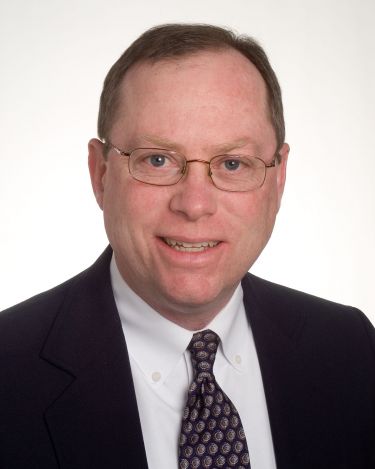
ALBANY, NY (WAMC) – Host Alan Chartock is joined by John Conrad, president and senior hydro-geologist for Conrad Geoscience Corporation and spokesman for the Independent Oil and Gas Association of New York, to discuss hydrofracking. © Copyright 2011, WAMC
October 20, 2011
Hydrofracking threatens Finger Lakes region | syracuse.com.

To the Editor:
Finger Lakes Trust
The Finger Lakes are the lifeblood of Central and Western New York. They provide clean drinking water, magnificent vistas, outstanding habitat for fish and wildlife and unparalleled recreational opportunities. They also serve as an integral part of a flourishing wine industry and support agriculture and tourism sectors that generate more than $3 billion annually for our local economy.
Here in the Finger Lakes, we clearly must accelerate our efforts to grow a more robust and sustainable economy based on the region’s rich natural resources, strong academic institutions, diversified agricultural economy, thriving tourism sector, and the inherent strengths of our populace. However, given the current technology and practices, we believe the proposed widespread use of hydrofracturing and horizontal drilling for natural gas poses unacceptable risks to the future well-being of this region and its residents. The lure of near-term economic gain is substantially outweighed by the potential for long-term harm to the region’s land and water resources as well as its economic competitiveness.
Despite the development of a lengthy environmental impact statement, New York state has failed to adequately address critical concerns regarding shale gas exploitation that are vital to the future of our region:
Through its proposed regulatory framework, the state provides a higher level of protection for the watersheds that supply drinking water to New York City and Syracuse than it does to the Finger Lakes watersheds, despite the fact that each of the Finger Lakes serves as a public drinking water supply. While these two watersheds are indeed unfiltered drinking water supplies, leading experts are very concerned that conventional water treatment techniques currently applied on water from the Finger Lakes will not remove all harmful components found in the fracking fluids that are used today.
In the draft impact statement, the state fails to address the huge cumulative environmental impact of a process that is expected to involve the construction of thousands of gas wells, thousands of miles of access roads and pipelines and other associated infrastructure.
The state also fails to address potential adverse impacts upon the region’s vital agriculture and tourism industries. A study incorporated into the impact statement simply states that the implementation of widespread gas drilling “could have a negative impact on some industries such as tourism and agriculture” and yet fails to provide any detailed analysis of potential impacts within the Finger Lakes region which could well be significant.
The draft impact statement fails to address threats to the region’s most significant land resource: sites recognized as priorities for conservation in New York State’s Open Space Conservation Plan, which is a public policy document based on nearly 30 years of input from community leaders, public officials and staff from the state’s Department of Environmental Conservation.
Until the state and the natural gas industry adequately address these issues, we oppose the use of hydrofracturing and horizontal drilling for natural gas exploitation within the watersheds of the Finger Lakes.
For more than 20 years, the Finger Lakes Land Trust has worked cooperatively with landowners, local communities and New York state to conserve nearly 13,000 acres of the region’s most cherished open space lands. The Land Trust is not typically involved in public advocacy. In this case, however, we feel compelled to speak out as the risks posed to the future of our region are simply too great.
We strongly encourage the state to fully address the serious concerns addressed above before allowing the use of hydro-
fracturing and horizontal gas drilling techniques, and to work with the federal government and the natural gas industry to develop extraction techniques that are compatible with conservation of the region’s natural resources and its natural resource-based economies.
Andrew Zepp is executive director of the Finger Lakes Land Trust, based in Ithaca. W. Stuart Schweitzer is president of the board of directors.


 GDACC
GDACC 

